03 June 2026 | The Gurkha Centre | Hayes | By Hari Bhandari
Although this reflection comes much later than intended, it provides an excellent opportunity to recognise and celebrate another successful year of collaboration between The Gurkha Centre and the BSc Global Health programme at Imperial College London.
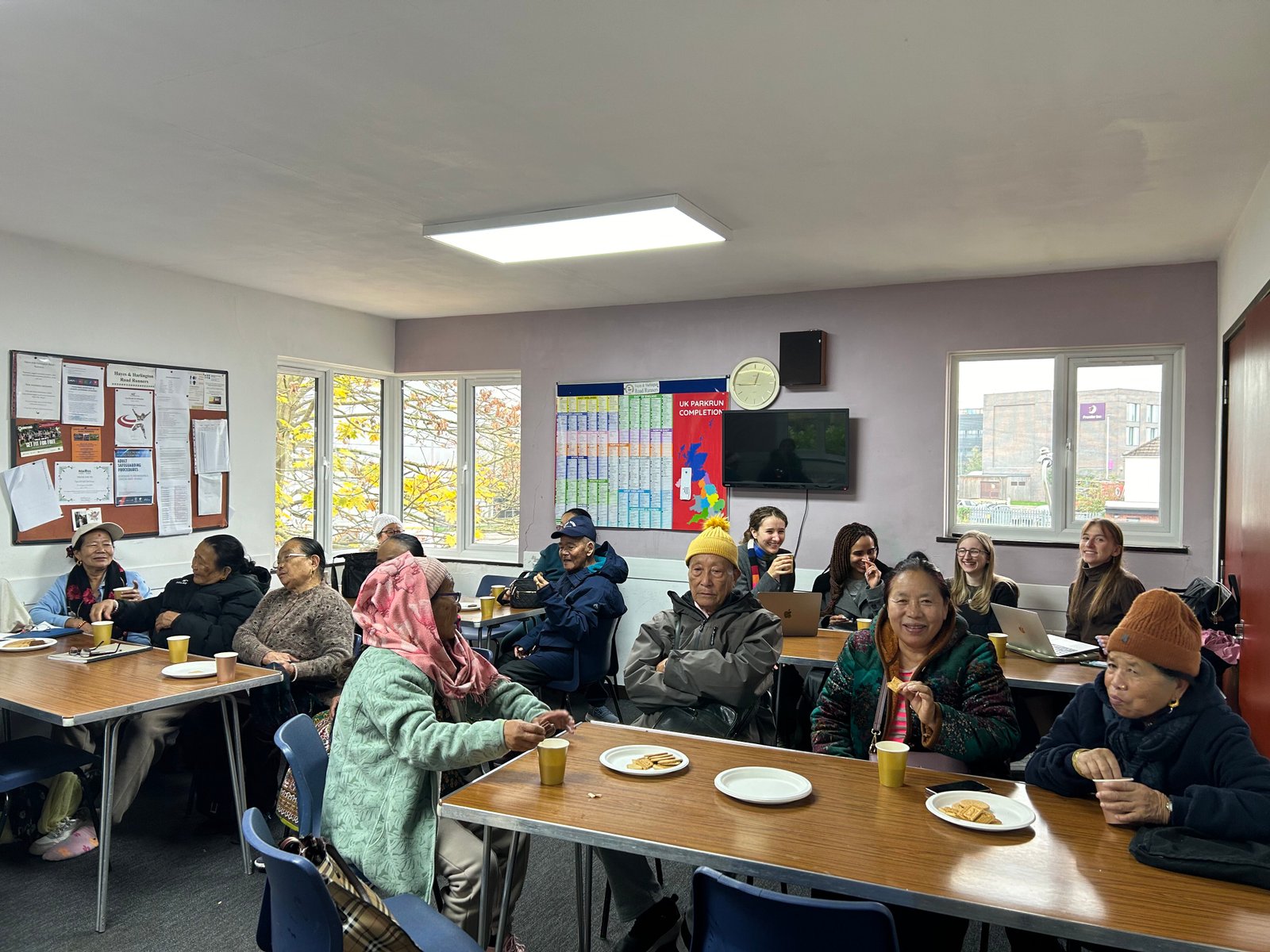
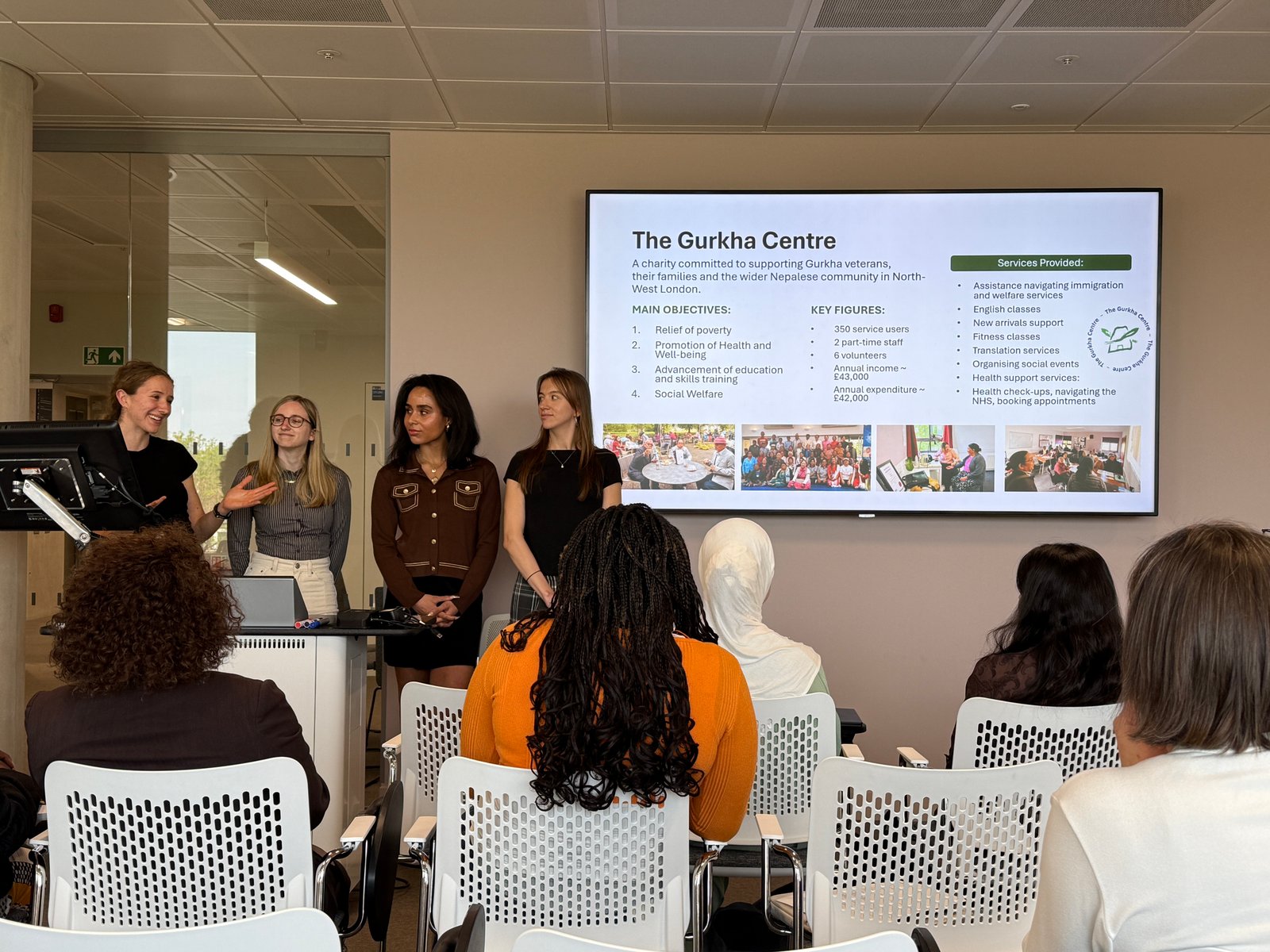
Over recent years, The Gurkha Centre has proudly welcomed Community Group Placement (CGP) students from Imperial College London’s School of Public Health, providing them with valuable opportunities to learn directly from the experiences of Gurkha veterans, widows, families, and the wider Nepalese community. Through this partnership, groups of students spend time within the charity, engaging with beneficiaries, volunteers, staff, and community stakeholders to better understand the realities of health inequalities, social determinants of health, and community-based service delivery.
The Community Group Placement programme is designed to enable students to work alongside community organisations, identify local needs, and develop practical recommendations that can strengthen services and improve outcomes for communities. Throughout their placements, students undertake service evaluations, engage with community members, and explore innovative ways to address identified challenges.
For The Gurkha Centre, the partnership has become much more than a student placement programme. It has evolved into a mutually beneficial relationship that creates opportunities for shared learning, research, reflection, and innovation. Each cohort of students brings fresh perspectives, new ideas, and academic insight, while gaining first-hand experience of the strengths and challenges faced by grassroots organisations working with underserved communities.
The 2024-25 cohort of students explored the unique health and social care challenges experienced by Gurkha veterans and their families, including language barriers, access to healthcare services, social isolation, and the wider impact of health inequalities. Through discussions with beneficiaries and observations of the Centre’s activities, students developed a deeper understanding of the vital role community organisations play in bridging gaps between statutory services and marginalised populations.
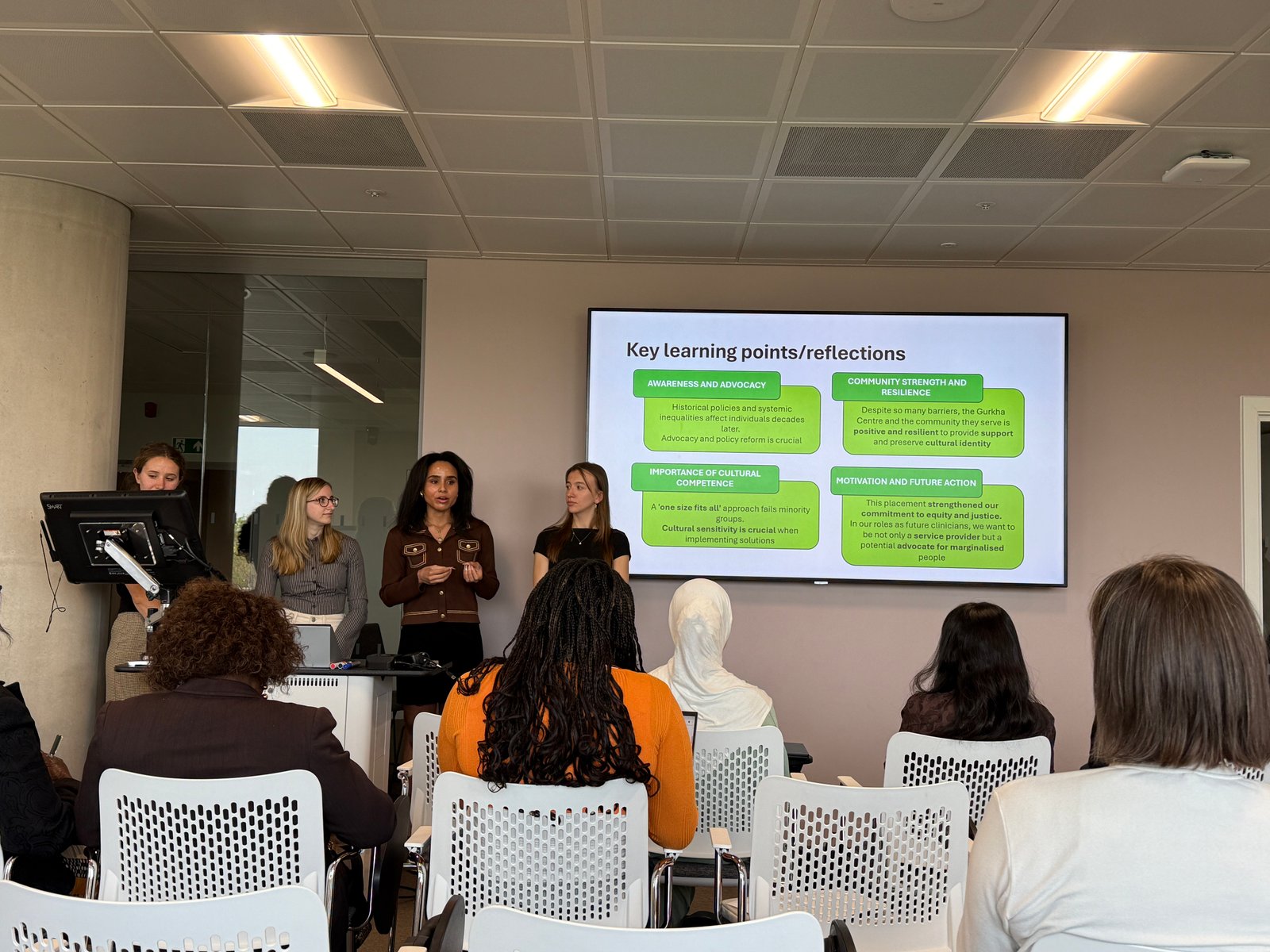
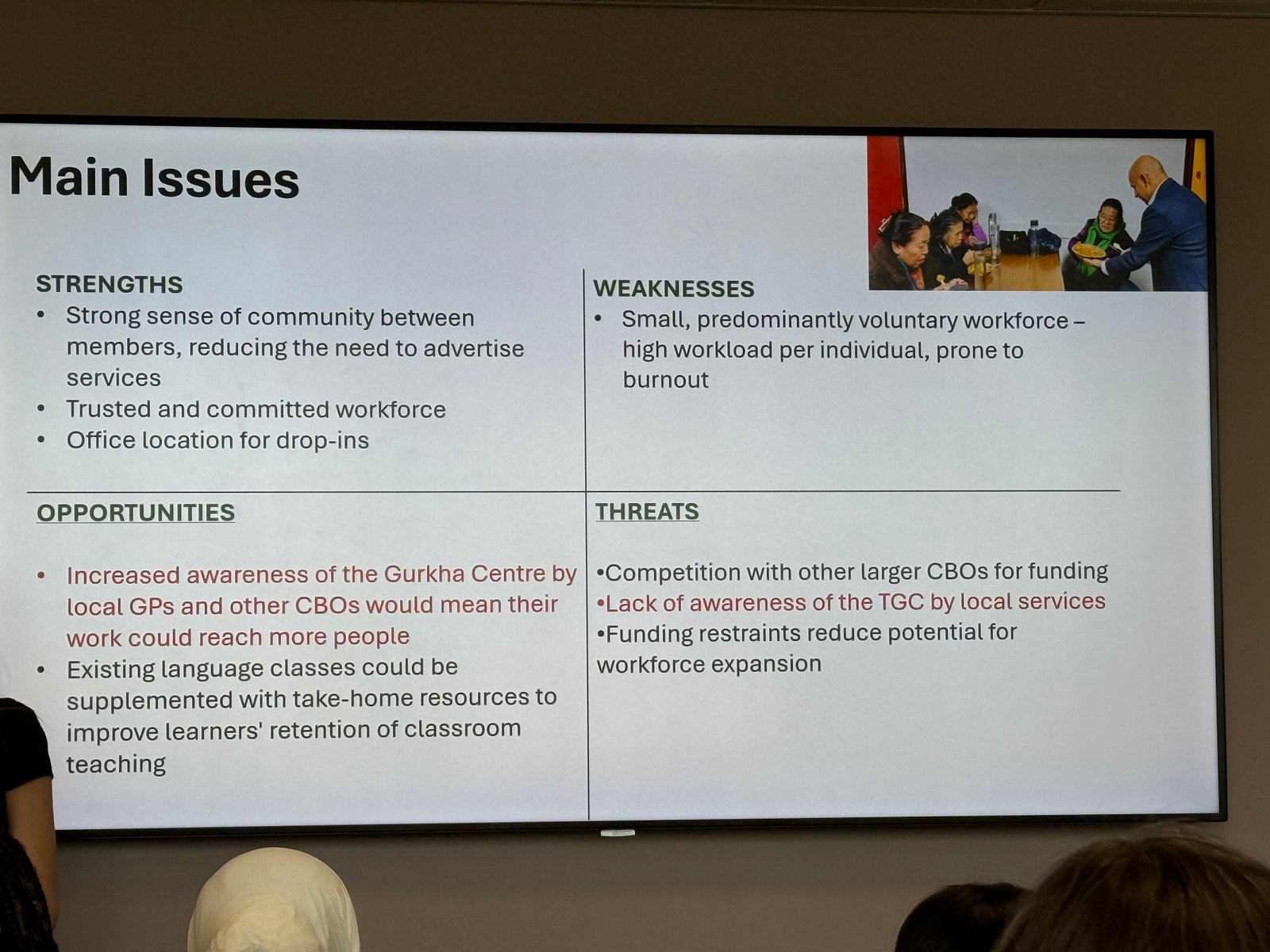
One of the key themes identified by students was the importance of cultural competence within healthcare systems. Their work highlighted how trusted community organisations such as The Gurkha Centre can support individuals in navigating complex systems, accessing healthcare services, and overcoming language and cultural barriers. Students also explored opportunities to strengthen relationships between community organisations and local GP practices, recognising the potential benefits of greater collaboration for both healthcare providers and service users.
Throughout the placement, students witnessed the breadth of services delivered by The Gurkha Centre, including welfare support, health advocacy, translation services, English language classes, social activities, and practical assistance for veterans and families. They recognised the Centre’s greatest strength as its strong sense of community and its ability to create a welcoming environment where individuals feel supported, connected, and empowered.
For the students, the placement offered an invaluable opportunity to move beyond classroom learning and engage directly with real-world public health challenges. For The Gurkha Centre, the placements continue to generate valuable insights, recommendations, and opportunities to strengthen services through evidence-informed approaches.
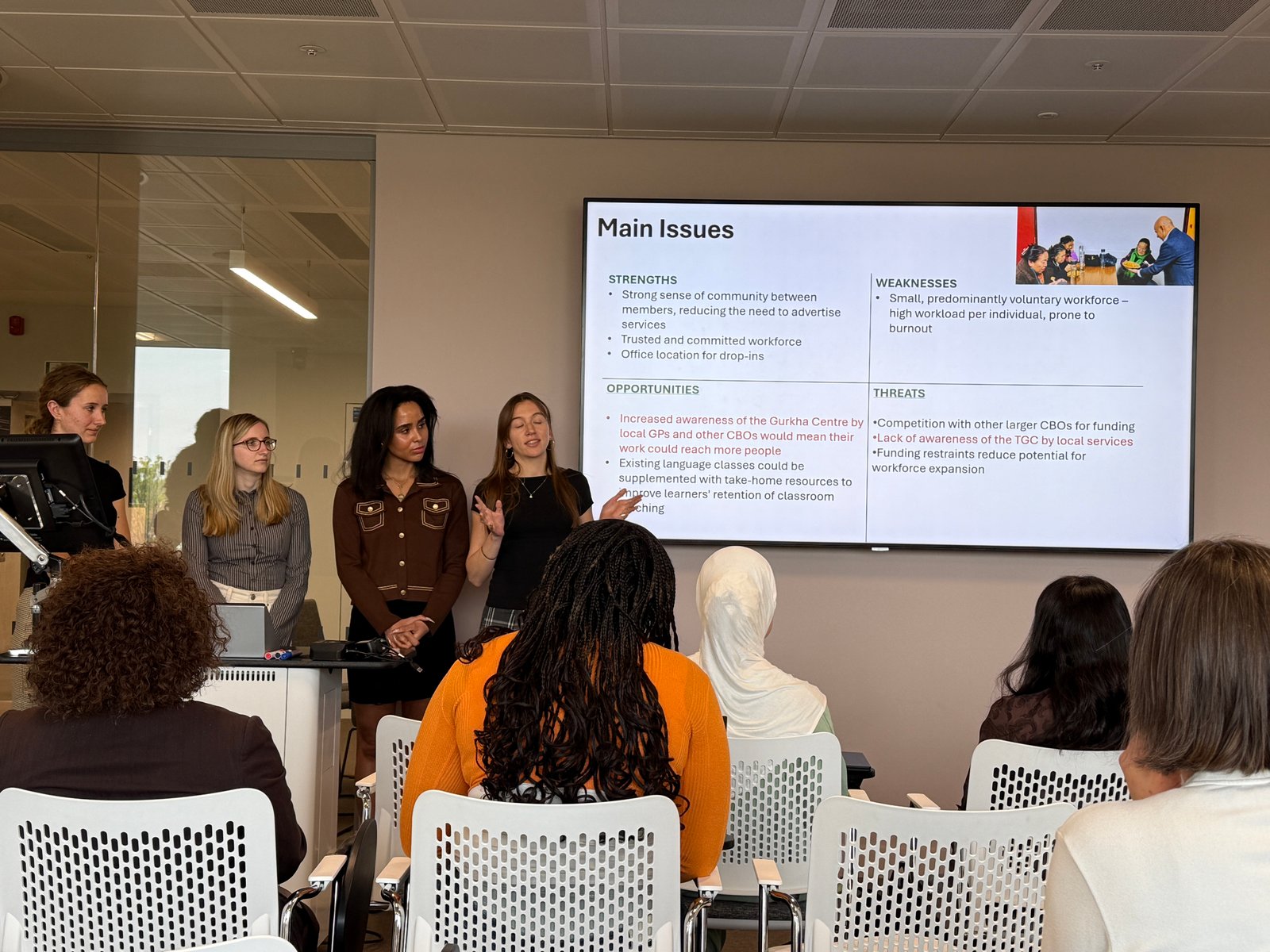
Reflecting on the partnership, Hari Bhandari, Founder and CEO of The Gurkha Centre, said:
“Our partnership with Imperial College London continues to grow from strength to strength. Every year we welcome talented and passionate students who bring fresh perspectives and challenge us to think differently. At the same time, they gain a deeper understanding of the realities faced by underserved communities and the importance of community-led solutions. This exchange of knowledge and experience has been enormously valuable for both the students and our organisation.”
The Gurkha Centre remains committed to supporting the next generation of public health professionals and looks forward to continuing its partnership with Imperial College London in the years ahead. Together, we will continue exploring innovative ways to address health inequalities, strengthen community resilience, and improve access to services for Gurkha veterans, families, and the wider Nepalese community.
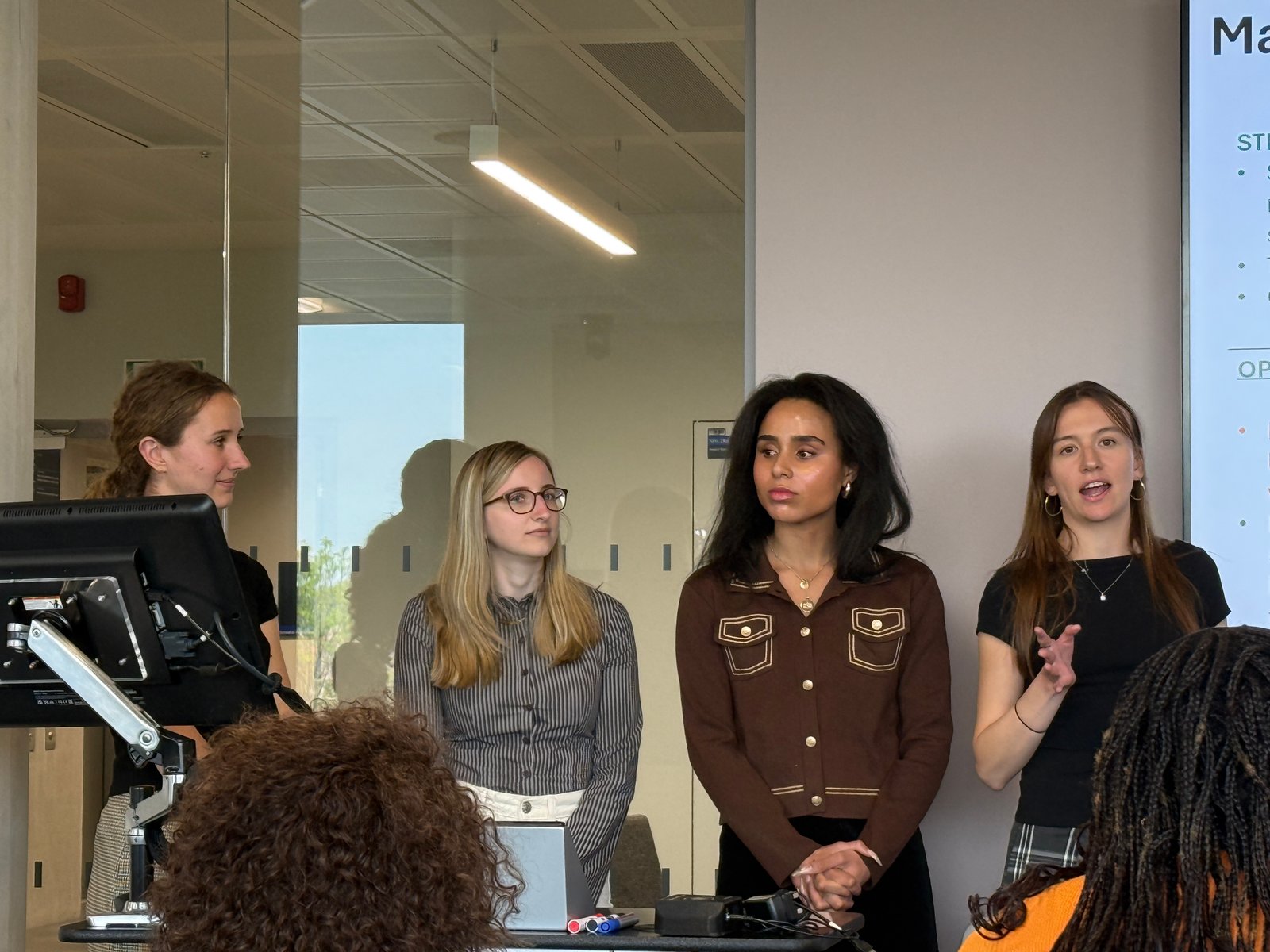
We would like to extend our sincere thanks to all the Imperial College London students, academic staff, and programme coordinators who have worked alongside us over the years. Their enthusiasm, professionalism, and commitment to community engagement continue to make a meaningful difference.