
02 April 2026 | The Gurkha Centre | Hayes | By Hari Bhandari
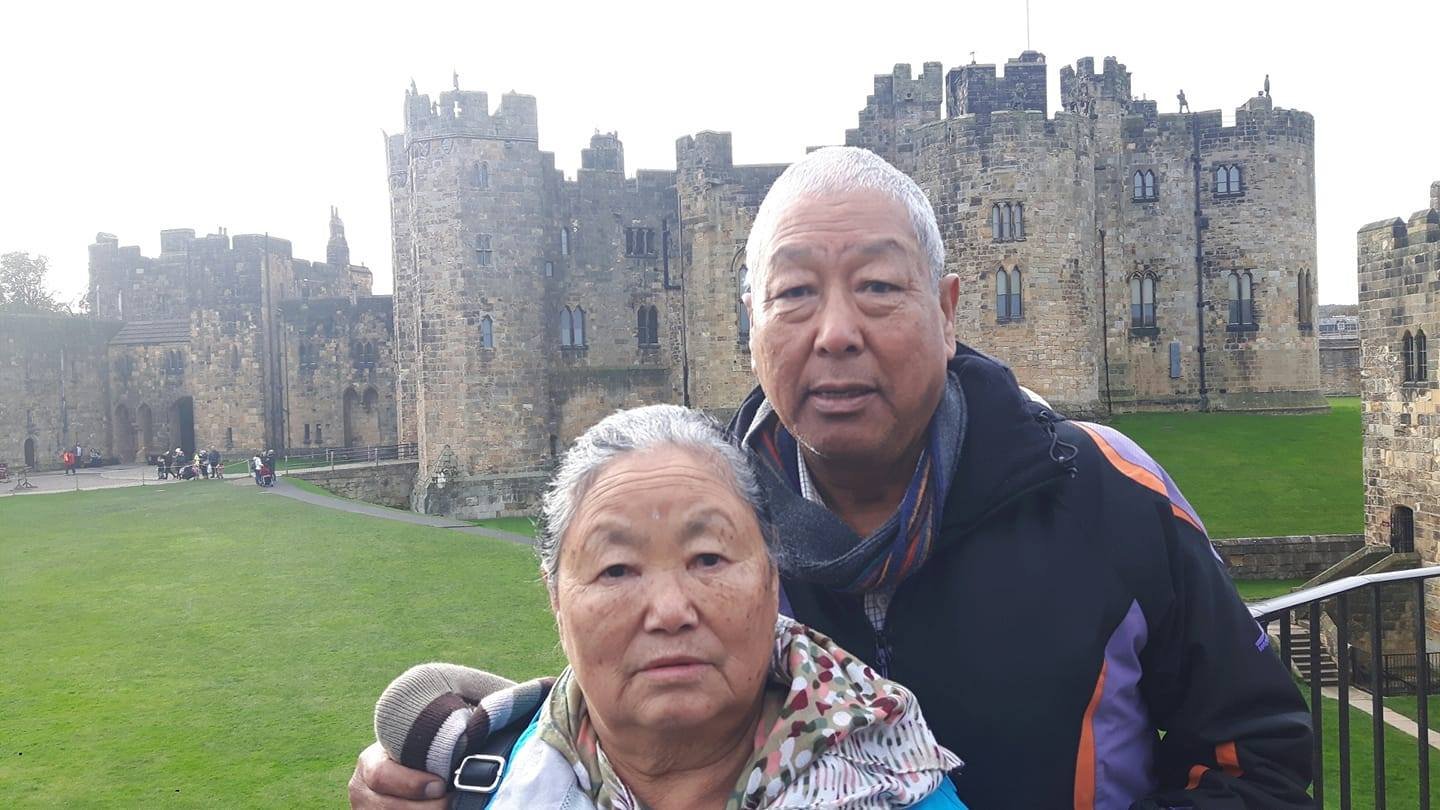
As the United Kingdom commemorates the courage and sacrifice of those who served during the Falklands War, we are reminded that remembrance must go beyond words. It must extend into how we treat those who stood in defence of this nation—not only in wartime, but in the years that follow.
Through our campaign, Gurkha Justice: Immigration and Welfare, we are bringing forward the lived realities of Gurkha veterans, widows, and families who continue to face systemic barriers despite decades of loyal service.
The story of Warrant Officer Class II Hari Bahadur Pun reflects both honour and injustice.
With over 21 years of exemplary service in the British Army, serving across multiple global operations including the Falkland Islands, Hari Pun upheld the highest standards of duty and discipline. His official military record describes him as exemplary, trusted, and respected—a soldier who embodied the very values the British Army stands for.
Yet, like many Gurkha veterans, his service came at a profound personal cost. Years of deployment meant prolonged separation from his family. Later, when settlement rights were finally granted, restrictive immigration policies prevented him from reuniting with his adult children.
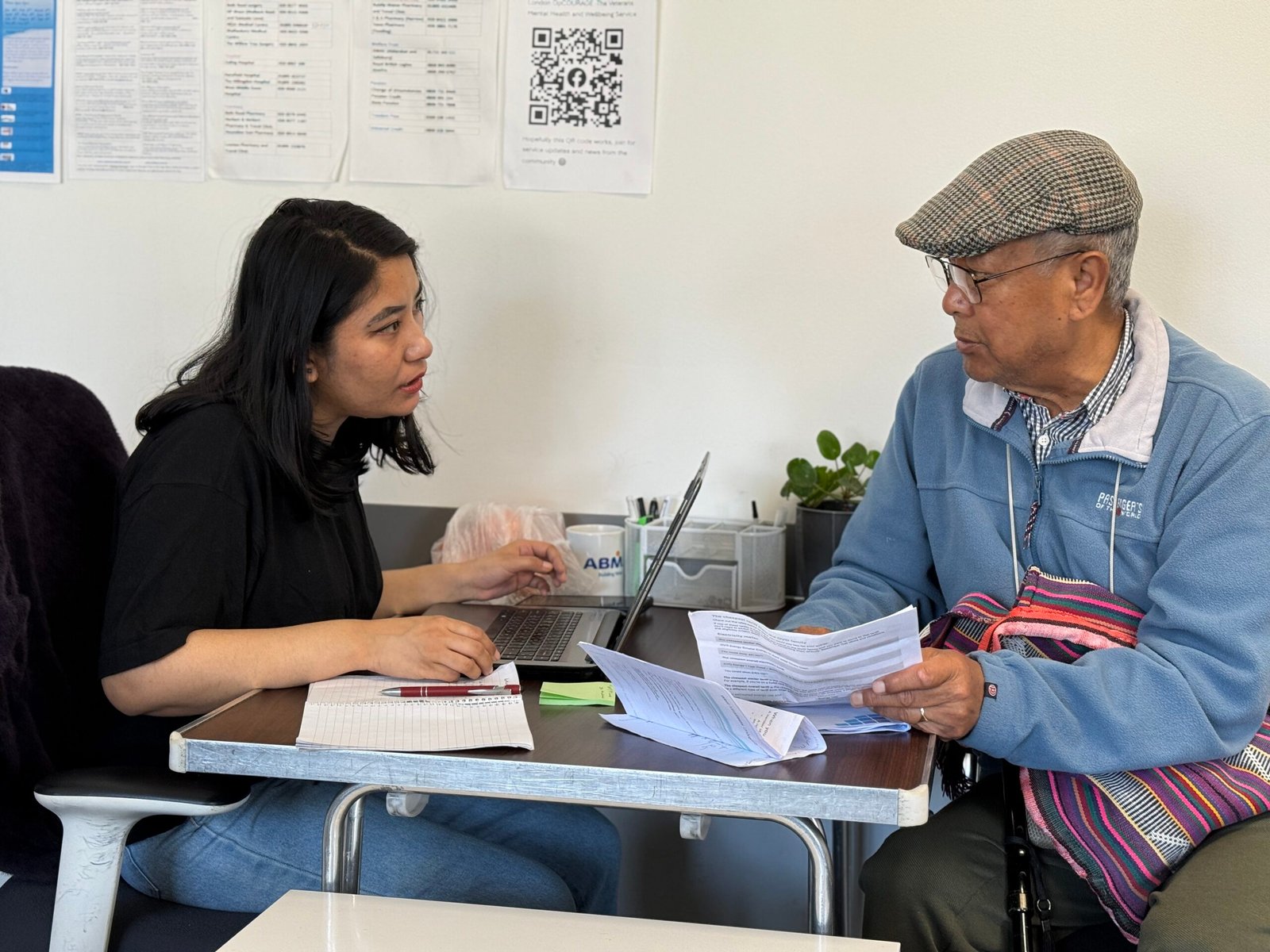
Today, in his later years, he faces serious health challenges alongside his wife—without the support of his children, who remain separated by immigration barriers. The very system he served continues to deny him the basic right to family life.
This is the historic injustice we speak of:
- A generation of soldiers denied settlement rights during service
- Families separated not by choice, but by policy
- Continued barriers that prevent reunification even in old age
Hari Pun’s story is not unique—it is representative.
Through this campaign, we are:
- Documenting lived experiences of Gurkha veterans and families
- Advocating for fair and compassionate immigration policies
- Amplifying voices that have long gone unheard
- Calling for recognition that extends beyond ceremonial gratitude
Justice for Gurkhas must mean more than remembrance.
It must mean dignity, fairness, and the right to live with family.
